The Healing Power of Art and Play Therapy
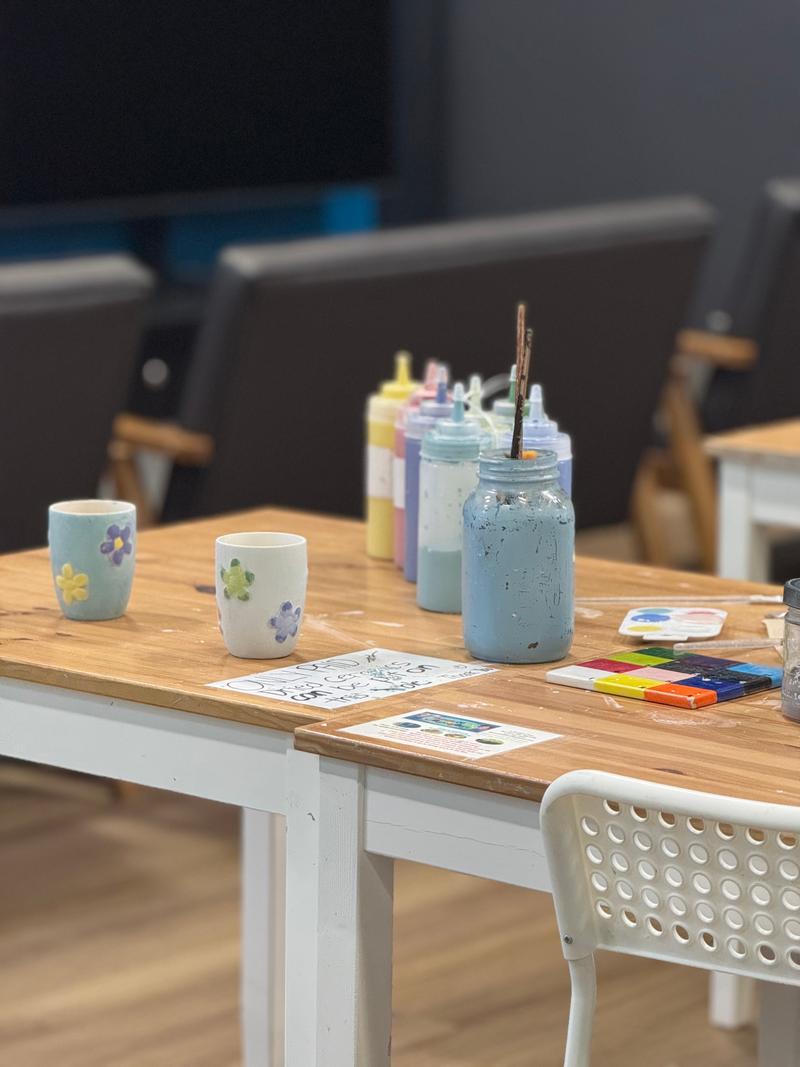
Typically, when we think about therapy, we often imagine an office and dialogue between a therapist and the client. While traditional therapy relies on guided conversation, art/play therapy provides another language of expression that makes it easy for children to express their thoughts and emotions freely. Sometimes therapy doesn't have to be a conversation, but can be expressed through creativity. This allows therapy to simply be brushes, canvas, and paint, or simply play, when difficult emotions aren't easy to process, or when it's hard to express oneself. Art Therapy gives children space to develop healthy and long-term coping skills and to explore their emotions freely in a safe space.
Children have a large, complex, and imaginative inner world that they might often find difficult to navigate. This is especially evident in children who have been neglected or suffer from anxiety and depression, which in turn become closed off and shy. By playing with puppetry or sandplay, storytelling, or painting on a canvas, children gain the ability to take the inner turmoil out of themselves and control their own emotions. Through playing, they can explore themselves, replay traumatic events in order to get through them, or make a world that they feel safe in, all of these forms of creativity are the next steps for growth in their healing journey. Simply the art of creating in a safe and non-judgmental space can drastically decrease stress, improve mood, and help them process feelings that may have remained bottled up.
The most powerful part of art and play therapy is that it becomes unique to each child, as it encourages self-expression and self-awareness. The art and play therapists who have specialized training and expertise in psychology and child development work to interpret and help therapeutically process the child's play to help them get through those challenges they may be suffering from. They learn that they matter and that their voices matter, no matter the form of expression. They learn to handle challenges with confidence in the real world and gain the ability to communicate their feelings and emotionally regulate healthily beyond the therapy room. Art therapy honours each child's experiences, allowing them to feel safe, understood, and valued, and most importantly, discover themselves differently.
Sources
- Non-therapeutic play to overcome negative emotional symptoms and improve emotional intelligence in children aged 3 to 7: a systematic review. Frontiers in Psychology, 2025.
- Healthy childhood development through outdoor risky play. Canadian Paediatric Society, 2024.
- Art Therapy for Psychosocial Problems in Children and Adolescents: A Systematic Narrative Review. Frontiers in Psychology, 2020.
Keep reading
- The Science of Why Art Therapy Helps Us HealHow creativity rewires the brain, unlocks emotions, and supports real change.
- What parents should look out for in their children for the back-to-school seasonThe signs that a child is struggling with the return to school, and how parents can respond before stress takes hold.
- The Link Between Anxiety and PerfectionismExploring how high standards and fear of failure can fuel anxiety, and ways to create healthier expectations.
Ready to take the next step?
Reading is a good start, and talking helps too. Our compassionate therapists are here when you are ready to begin.