Understand the loop
Anxiety runs on a loop of triggers, thoughts, body sensations, and avoidance. Early sessions map your loop precisely, so the work targets what actually keeps it going rather than the surface worry of the week.
Evidence-based treatment for the worry that will not switch off, the racing heart before a meeting, and the avoidance that keeps shrinking your life. Registered therapists in Thornhill and online across Ontario.
1118 Centre Street, Suite #205, Thornhill, ON L4J 7R9
Mon–Thu 9 AM–9 PM · Fri 9 AM–2 PM · Sun 9 AM–9 PM
Secure video for clients in Ontario, Alberta, British Columbia, Manitoba, and Saskatchewan.
Anxiety is the most common reason people come to Trust Therapy, and it is one of the most treatable. Cognitive Behavioural Therapy, Acceptance and Commitment Therapy, and mindfulness-based approaches have decades of evidence behind them, and most clients notice a change in how they handle anxious moments within the first several sessions.
We work with generalised anxiety, social anxiety, panic, health anxiety, exam and performance anxiety, perfectionism, and the anxiety that comes with a big transition. If depression, ADHD, or a past trauma is tangled up with the anxiety, your therapist will treat the whole picture.
Anxiety runs on a loop of triggers, thoughts, body sensations, and avoidance. Early sessions map your loop precisely, so the work targets what actually keeps it going rather than the surface worry of the week.
CBT gives you tools to test anxious predictions and step back into what you have been avoiding at a pace you set. ACT and mindfulness help you make room for uncomfortable feelings without letting them steer.
The goal is not endless therapy. You leave with a written plan of what works for you, and many clients move to occasional check-ins once the tools are second nature.
| Approach | Best suited to | Typical course |
|---|---|---|
| Cognitive Behavioural Therapy (CBT) | Worry, panic, health anxiety, perfectionism | 12 to 20 sessions |
| Exposure-based CBT | Avoidance, phobias, social anxiety, panic | 8 to 16 sessions |
| Acceptance & Commitment Therapy (ACT) | Anxiety that resists arguing with, values and avoidance | 8 to 16 sessions |
| Mindfulness-Based Cognitive Therapy (MBCT) | Rumination and relapse prevention | 8 weekly sessions |
| DBT skills | Intense emotions alongside anxiety | Skills modules, 12 to 24 weeks |
Approaches we draw from
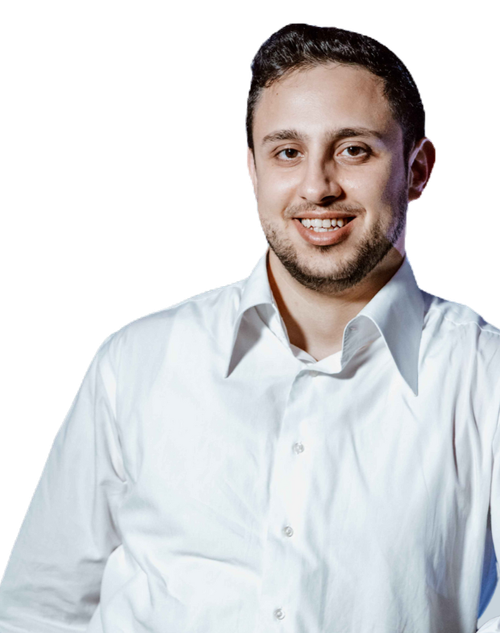
Registered Psychotherapist (RP)
In person in Thornhill & online

Psychotherapist & Art Therapist (Qualifying)
In person in Thornhill & online

Registered Psychotherapist (Qualifying)
Online
Speaks English, Urdu, Hindi, Punjabi

Registered Psychotherapist (Qualifying)
Online

Registered Psychotherapist (Qualifying)
In person in Thornhill & online
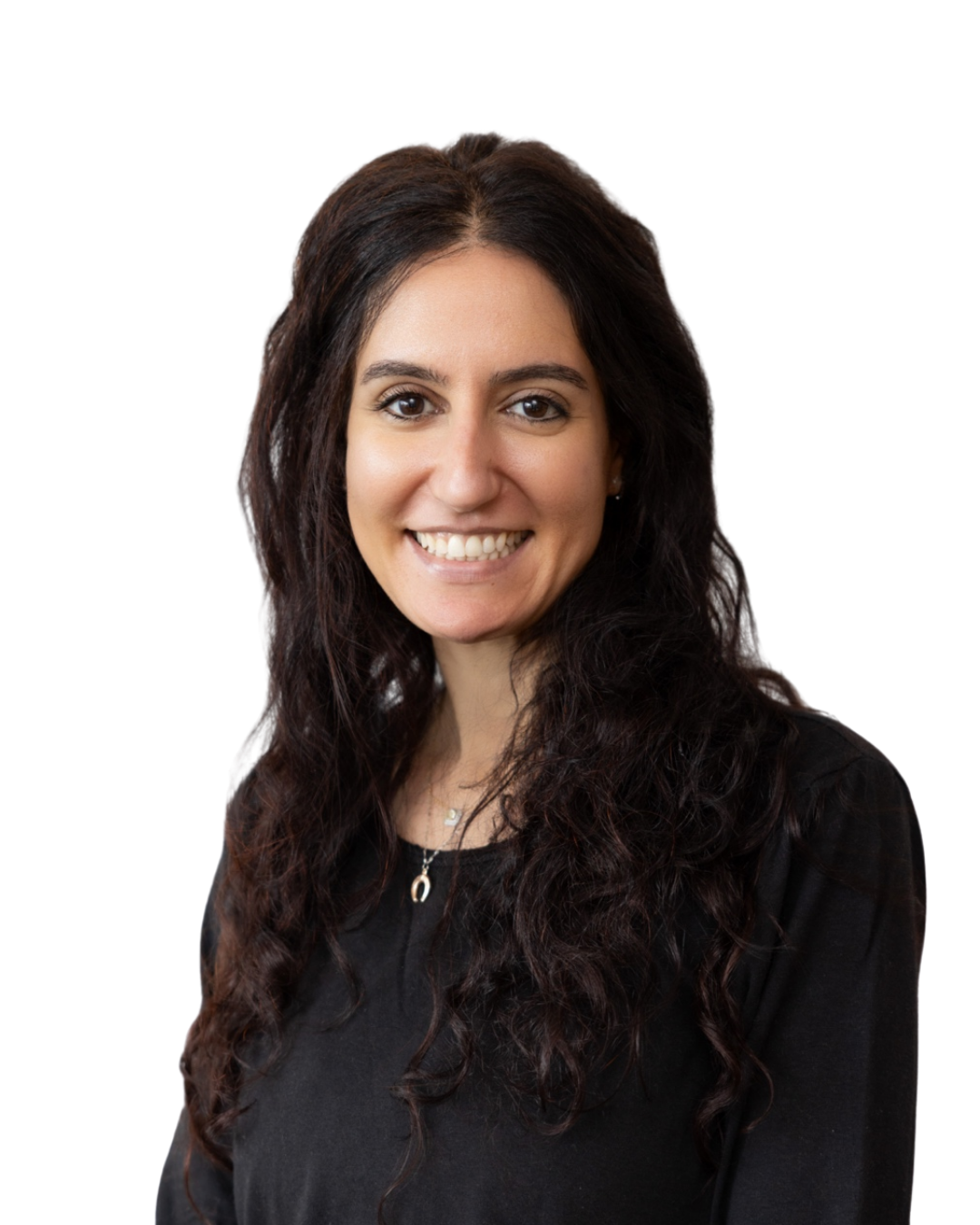
Registered Social Worker (RSW)
In person in Thornhill & online
It depends on the type of anxiety and how long it has been there. Many clients feel noticeably better within six to twelve sessions of CBT, and a structured course often runs twelve to twenty sessions. Your therapist will review progress with you along the way.
Yes. Panic responds very well to CBT. You learn what is happening in your body during a panic attack, how to interrupt the spiral, and how to stop avoiding the places or situations panic has taken from you.
Yes. Several of our clinicians work with children and teens, using age-appropriate CBT as well as art and play therapy for younger children. Parents are involved in a way that suits the child’s age.
Either. Exposure work and skills practice translate well to video, and some clients prefer to start online while anxiety about new places is high, then move to the Centre Street office. The same clinician sees you both ways.
Psychotherapy for anxiety is covered by most extended health plans when delivered by a Registered Psychotherapist or Registered Social Worker. We direct bill many insurers; otherwise you get a receipt after each session to submit yourself.
A free 30-minute call with our matching team. You describe what the anxiety looks like day to day, we answer your questions, and we suggest a clinician whose approach and schedule fit, usually with a first session within one to two weeks.

A free 30-minute conversation about what you need. We listen first, then suggest the right clinician.