How Media Affects Relationships
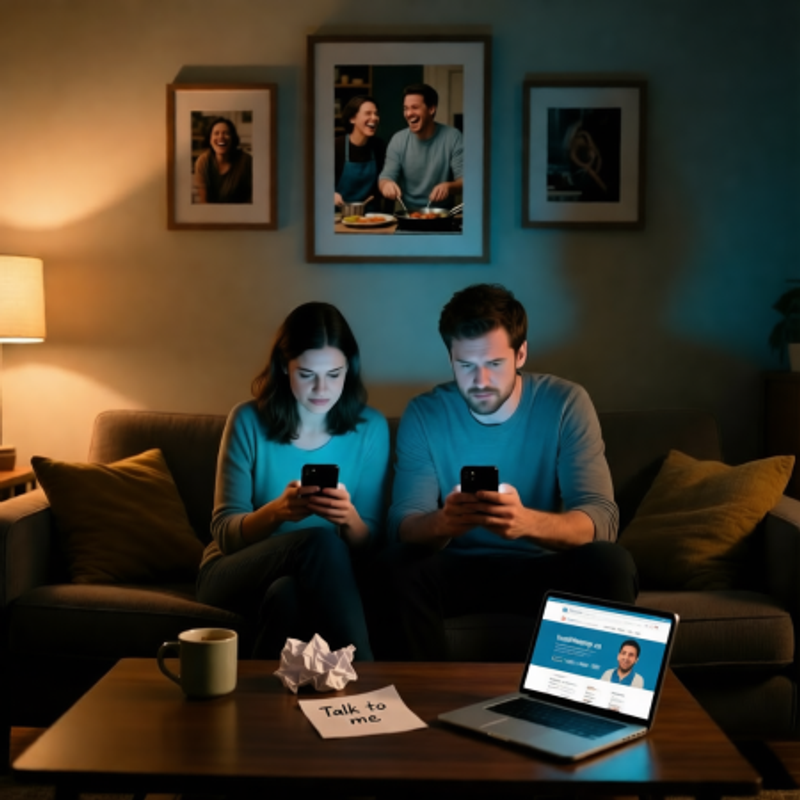
Media has become deeply embedded in our daily routine, quietly shaping the way we think about love and connection. Whether it's social media, TV, or movies, what we consume influences our expectations and emotional responses within our own relationships. The pressure of comparison is a significant factor; social media often portrays relationships as effortless and endlessly happy, showing only polished photos rather than the full, complex reality. When couples compare their everyday experiences to an influencer's "highlight reel," it can create unnecessary pressure and self-doubt. Even healthy relationships can feel lacking when held up against unrealistic online standards.
Movies and shows often teach us simplified “scripts” for how love should look. These portrayals usually skip over the hard parts, such as active communication, repairing conflict, and long-term emotional growth. As a result, when real-life relationships involve challenges, many people wonder if something is wrong, even though conflict and vulnerability are natural parts of building intimacy. Furthermore, constant technology use and digital distractions act as a subtle barrier to closeness. When devices interrupt conversations, partners may feel dismissed or unheard. Over time, these small patterns of disconnection can weaken intimacy and make communication feel less fulfilling.
Online relationship advice can also be a double-edged sword. While some content is helpful, viral “red flag” lists or oversimplified videos may lead people to mislabel normal behaviors as toxic or assume the worst without asking their partner directly. This can amplify anxiety and create conflict rooted in assumptions rather than reality. However, media isn't inherently harmful. Many couples use shared shows, podcasts, or educational content to bond and spark meaningful conversations.
The goal isn't to avoid media entirely, but to stay aware of its influence. When couples recognize where their expectations come from and stay open to honest communication, they can build relationships based on authenticity rather than comparison. Mindful media use allows partners to focus on what truly matters: the real, imperfect, human connection between them.
Sources
- Are online behaviors damaging our in-person connections? Passive versus active social media use on romantic relationships. Cyberpsychology: Journal of Psychosocial Research on Cyberspace, 2021.
- Adolescents' perceptions of digital media's potential to elicit jealousy, conflict and monitoring behaviors within romantic relationships. Cyberpsychology: Journal of Psychosocial Research on Cyberspace, 2019.
Keep reading
- The Power of Boundaries in Healthy RelationshipsWhy boundaries are essential for respect, balance, and long-term relationship health.
- How Attachment Styles Shape the Way We DateUnderstanding how attachment styles influence dating patterns, emotional closeness, and relationship dynamics.
- The Effects of Social AnxietyUnderstanding how the different factors of social anxiety may affect one's day-to-day life.
Ready to take the next step?
Reading is a good start, and talking helps too. Our compassionate therapists are here when you are ready to begin.