Mental Health Support for First Responders: Breaking the Silence
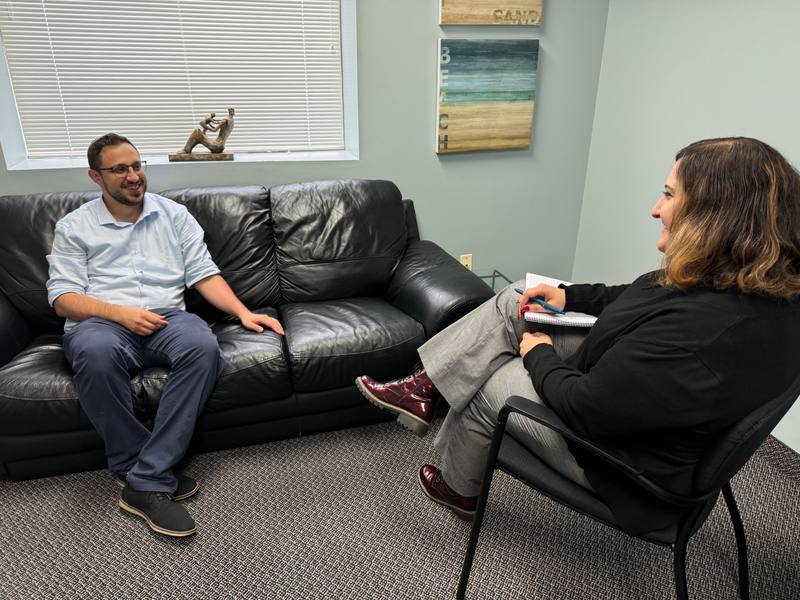
First responders, including police officers, firefighters, paramedics, dispatchers, and other emergency personnel, dedicate their lives to protecting and serving others. But the psychological toll of that work is significant and often goes unaddressed. Research consistently shows that first responders experience rates of PTSD, depression, anxiety, and burnout far exceeding those of the general population.
The nature of first responder work means repeated exposure to traumatic events: accidents, violence, death, and crisis. Over time, this cumulative stress can lead to what is known as an Operational Stress Injury (OSI), a broad term encompassing PTSD, depression, anxiety, and other conditions that result from occupational trauma. Unlike a single traumatic event, OSIs often develop gradually, making them easy to dismiss or minimize until symptoms become severe.
One of the greatest barriers to mental health care for first responders is the culture of the profession itself. Strength, resilience, and self-reliance are core values that, while essential on the job, can make it difficult to acknowledge vulnerability or ask for help. Many first responders fear being seen as unfit for duty or worry about confidentiality if they seek support through workplace channels.
At Trust Therapy, we understand this. Our therapists are trained in trauma-informed approaches, including EMDR, Cognitive Behavioural Therapy, and somatic therapies, adapted to the specific experiences of first responders. We provide a strictly confidential space where your career is never at risk simply for prioritizing your mental health.
Effective therapy for first responders focuses on processing traumatic memories, rebuilding healthy sleep patterns, managing hypervigilance and emotional reactivity, and restoring connection in personal relationships. It also addresses the grief that comes with cumulative loss, the weight of calls that stay with you long after your shift ends.
Whether you are actively serving, recently retired, or somewhere in between, support is available. You do not need a referral. You do not need to be in crisis. Reaching out early is a sign of strength, not weakness. Contact Trust Therapy today to speak with a therapist who understands the demands of your work and is ready to help.
Sources
- Federal Framework on Posttraumatic Stress Disorder: Recognition, collaboration and support. Public Health Agency of Canada, 2019.
- Supporting Canada's Public Safety Personnel: An Action Plan on Post-Traumatic Stress Injuries. Public Safety Canada, 2019.
- Shifting barriers around posttraumatic stress injuries (PTSI) and posttraumatic stress disorder (PTSD). Canadian Institute for Public Safety Research and Treatment, 2024.
Keep reading
- Why Men's Mental Health Matters: Breaking the SilenceUnderstanding systemic barriers men face when seeking support, and how therapy can open pathways to healthier lives.
- Male Depression: The Overlooked StruggleHow stigma and societal expectations can cause men's depression symptoms to go unnoticed.
- Systemic Stigma: Understanding How Society Impacts Mental HealthExamining how social structures and stigma influence our ability to seek and receive mental health support.
Ready to take the next step?
Reading is a good start, and talking helps too. Our compassionate therapists are here when you are ready to begin.