Caring for the Caregivers
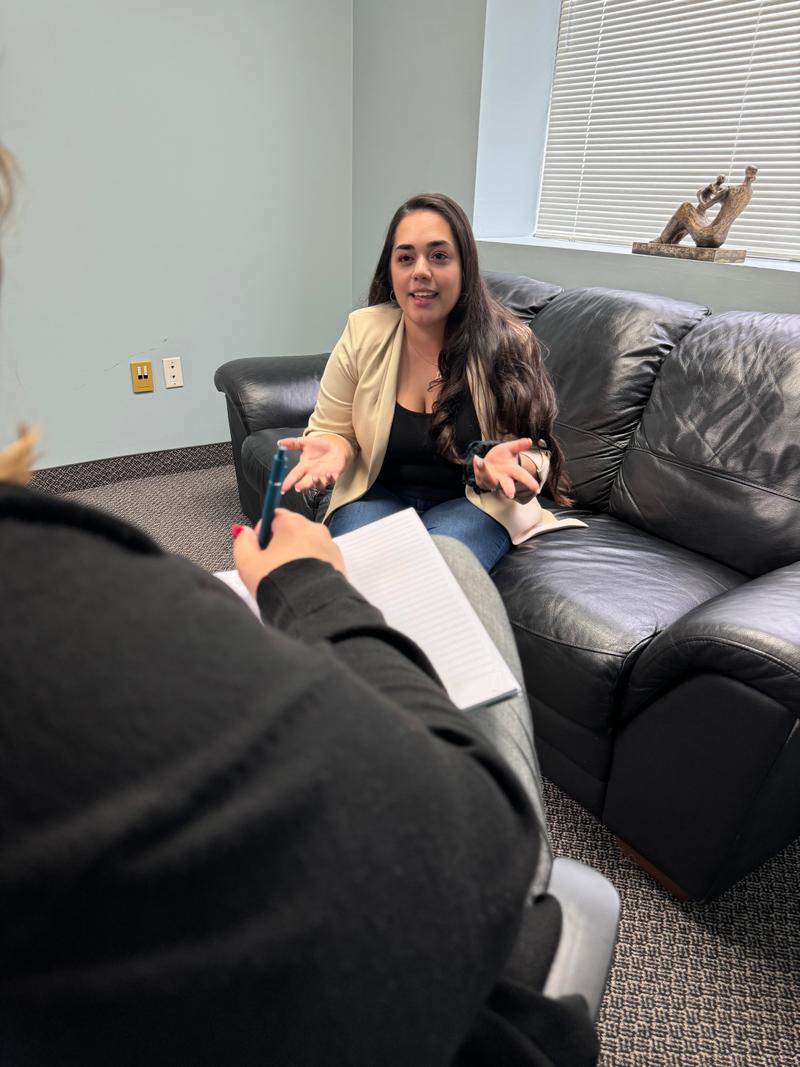
Transitioning into motherhood can bring joy, connection, and significance, but it can also be exhausting, overwhelming, and isolating. One in every seven women experiences postpartum depression, and many more struggle with intrusive thoughts, anxiety, or guilt; symptoms that are often overlooked or dismissed. The reality is that postpartum mental health deserves care and attention just as much as physical recovery.
At Trust Therapy, we provide a safe space to help clients navigate the early phases of parenthood. Therapy can greatly help process changes, reestablish a sense of self, and get genuine support. Postpartum therapy aims to help you reconnect with your values, develop coping strategies, and feel supported. Some areas where therapy may focus include rebuilding identity, processing birth trauma, managing relationship stress, and dealing with feelings of self-shame or doubt. You never have to reach a certain point or get “bad enough” to seek help. Whether you have symptoms of anxiousness, self-doubt, disconnectedness, difficulty sleeping, or even suicidal ideation, our therapists are sensitive to the good and bad of motherhood and can support you along your journey. Motherhood is complex, but you never have to go through it alone. You are permitted to battle, and you do not have to do so alone. If you're feeling trapped, fatigued, or overwhelmed, we're here to offer you care, respect, and compassion. Please contact us for more information or to chat with one of our therapists.
Sources
- Maternal Mental Health in Canada, 2018/2019. Statistics Canada, The Daily, 2019.
- Onset Timing, Thoughts of Self-harm, and Diagnoses in Postpartum Women With Screen-Positive Depression Findings. JAMA Psychiatry, 2013.
- Pregnancy and Women's Mental Health in Canada. Public Health Agency of Canada, 2014.
Keep reading
- The Power of Boundaries in Healthy RelationshipsWhy boundaries are essential for respect, balance, and long-term relationship health.
- What parents should look out for in their children for the back-to-school seasonThe signs that a child is struggling with the return to school, and how parents can respond before stress takes hold.
- The Healing Power of Art and Play TherapyExploring how creative expression and playful exploration provide children with unique ways to communicate and heal.
Ready to take the next step?
Reading is a good start, and talking helps too. Our compassionate therapists are here when you are ready to begin.